Gypsum Plastering in 2026: Faster Construction Without Compromising Wall Strength
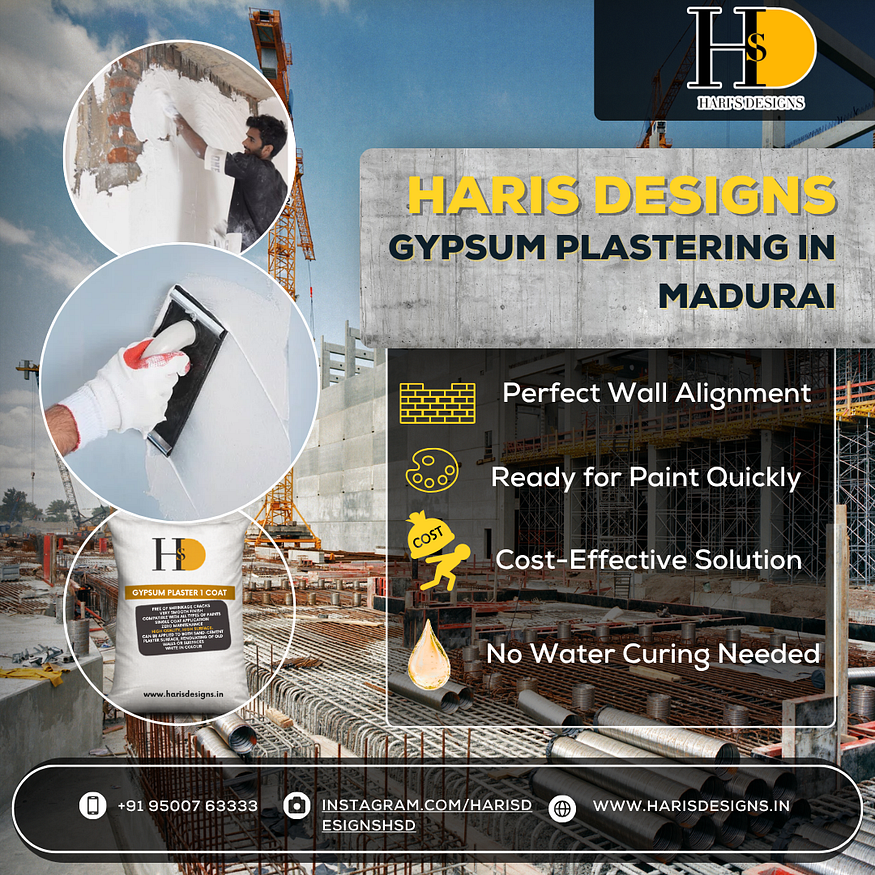
Building a home in 2026 feels far different from the way construction used to happen years ago. Earlier, house construction was often associated with long delays, repeated corrections, and endless waiting periods. Cement needed time to cure properly, surfaces required multiple rounds of finishing, and homeowners would regularly hear that completion might take several more months. Today, however, the industry is slowly moving toward methods that save time while still maintaining quality and durability.
I recently visited a newly developing residential project where the walls already looked polished even before the painting work had started. The surfaces appeared smooth, even, and refined without the rough texture commonly seen in traditional plastering. The entire house felt more complete much earlier in the process, and it clearly showed how modern finishing techniques are changing expectations in construction.
As these changes continue, Gypsum Plastering in Madurai has become a subject people increasingly discuss while planning homes, apartments, and commercial interiors. Builders and homeowners are beginning to look for solutions that provide cleaner finishes while also reducing unnecessary construction delays.
Gypsum plastering is essentially a modern alternative to conventional cement plaster. Instead of preparing cement mixtures manually on-site, ready-made gypsum material is applied directly to the walls for finishing. It is somewhat similar to using a professionally prepared baking mix rather than measuring every ingredient separately at home. The final outcome still delivers a solid and smooth wall surface, but the overall process becomes quicker and more efficient.
One of the strongest advantages of gypsum plastering is the uniformity it offers. Traditional plaster work can sometimes vary depending on worker experience, water levels in the mixture, and environmental conditions like humidity or temperature. Small inconsistencies may later appear as cracks, uneven textures, or drying issues. Gypsum plaster tends to behave in a more predictable manner, giving walls a balanced and refined appearance with fewer variations.
Construction projects often become delayed because of small interruptions rather than major failures. Waiting for plaster to dry, repairing surface defects, or repeating finishing work can consume a surprising amount of time. Gypsum helps reduce many of these interruptions, allowing work to move forward more steadily.
That practical advantage is one reason why Gypsum Plastering in Madurai is gaining popularity in modern residential and interior projects. Many people initially assume that faster construction automatically means weaker results, but gypsum challenges that assumption. When applied correctly by experienced professionals, it creates a durable surface suitable for painting and long-term interior finishing.
There is also a visual and emotional aspect connected to smooth wall finishes. Even before furniture is arranged or decorations are added, well-finished walls can influence how a home feels. Uneven walls often make spaces appear unfinished, while smooth surfaces create a cleaner and calmer atmosphere. This subtle difference becomes especially noticeable during the final stages of construction.
During a design discussion, I once heard Hari’s Designs mention how predictable wall finishes make interior planning easier. Smooth and reliable surfaces allow designers to work more confidently with lighting placements, wall textures, and color combinations without worrying about unexpected imperfections appearing later. It reflects how modern construction is becoming more detail-oriented and design-conscious.
Of course, gypsum plastering still requires proper handling and skilled application. No construction material performs perfectly without correct techniques. But what makes gypsum increasingly relevant today is its ability to support modern priorities such as faster execution, cleaner interiors, and reduced maintenance corrections.
A simple comparison would be modern digital cameras. Earlier, photographs often needed extensive editing before they looked polished. Today, improved technology captures cleaner images from the beginning itself. Gypsum plastering works in a similar way by creating smoother wall finishes during the initial process, reducing the amount of correction work needed later.
The construction industry in 2026 is no longer focused only on structural strength. People now care equally about efficiency, finishing quality, visual appeal, and long-term maintenance. Materials like gypsum are becoming important because they address all these expectations together rather than separately.
In many ways, this shift reflects changing lifestyles and modern expectations. Homeowners want houses that are completed faster but still feel strong, refined, and thoughtfully designed.
Ultimately, walls are more than just structural surfaces. They shape the appearance of a room, influence the comfort of a home, and affect the overall living experience. When modern materials help simplify construction without sacrificing reliability, the entire process begins to feel less stressful and far more progressive.
Address : 2, Plot No:7, 2256, 10th Street, Sivagangai Main Rd, Gomathipuram, Madurai, Tamil Nadu 625020.
For enquiries : +91 95007 63333 , +91 96290 79456.
Mail us for information : harisdesings@gmail.com.
#GypsumPlastering #GypsumPlasteringInMadurai #ModernConstruction #InteriorDesign2026 #WallFinishing #BuildingTrends #HomeConstruction #SmartBuildingMaterials #HarisDesigns


Comments
Post a Comment